
The Whitewashing Scheme and Its Aftermath
The Adventures of Tom SawyerTom's clever manipulation of other boys to whitewash a fence, revealing his understanding of human psychology and setting a pattern for his future schemes.
increasing Bearing strength in each event
 decreasing
Bearing strength in each eventdecreasingThe Punishment Task

A Saturday Lost
The Dreaded Chore
Tom is sentenced to whitewash a thirty-yard fence as punishment for playing hookey. The task seems insurmountable, and Tom's spirits sink as he contemplates the fun he will miss.
The Inspiration
When Ben Rogers arrives mocking him, Tom pretends that whitewashing is a rare privilege. Ben is soon convinced and trades his apple for the chance to paint. This trick works on every boy who passes, and Tom accumulates a fortune in boyish treasures.
The Lesson Learned
Tom discovers that work is anything one is obliged to do, and play is anything one is not. This principle becomes a cornerstone of his approach to life, allowing him to turn burdens into opportunities.
The Reward and the Trick
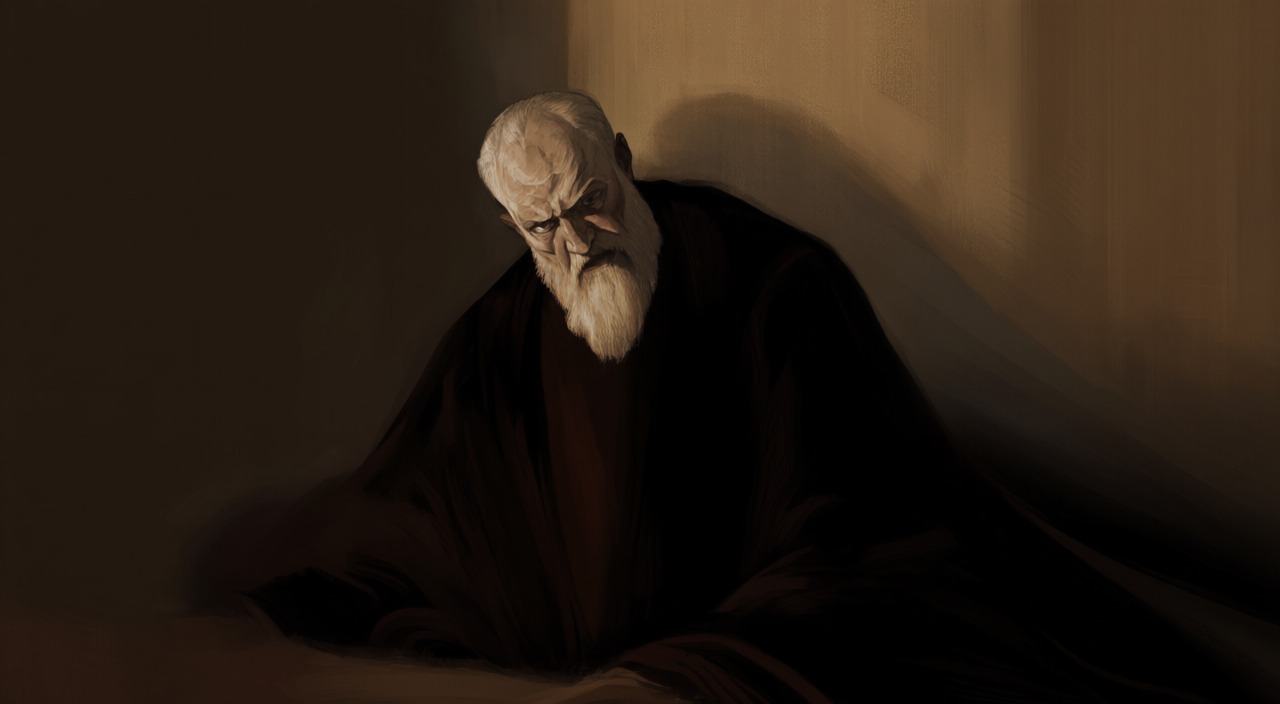
Aunt Polly's Astonishment
The Completed Fence
Aunt Polly is amazed to find the fence perfectly whitewashed. She rewards Tom with an apple and a lecture on virtue, but Tom steals a doughnut and pelts Sid with clods for his earlier betrayal.
The Aftermath
Tom's success boosts his confidence and his reputation among the boys. He becomes a local legend for his ingenuity, and the whitewashing episode is remembered as a classic example of his cleverness.
A Pattern Established
This subplot establishes Tom's ability to manipulate others and his disdain for authority, traits that drive many of his subsequent adventures.
Saturday morning, early in the story
Later that day
